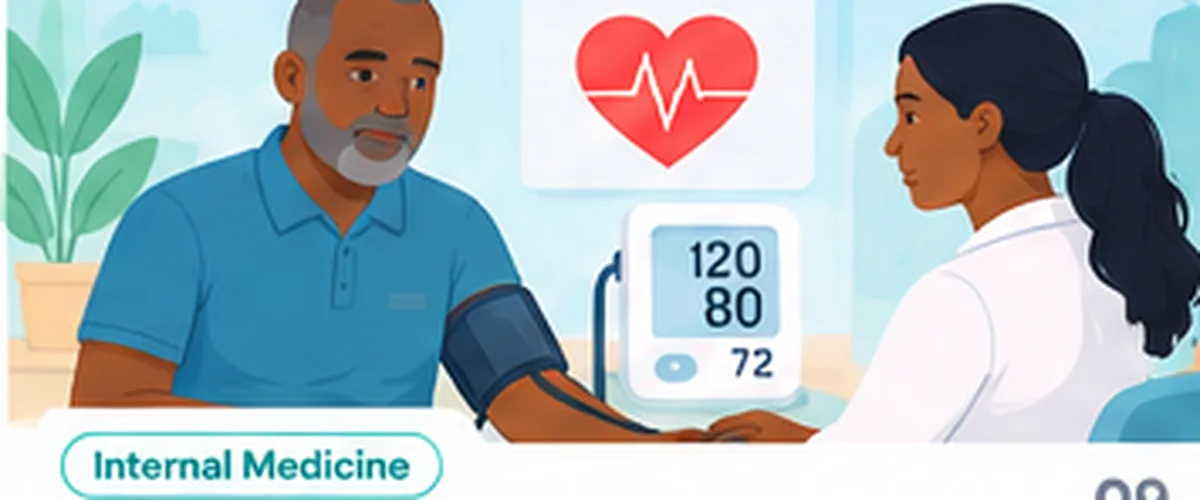
Key things to know
- High blood pressure frequently causes no noticeable symptoms.
- A single elevated reading does not always establish a diagnosis; repeat measurements may be needed.
- Chest pain, severe breathlessness or new stroke-like symptoms require emergency care.
Your quick illustrated guide
Swipe the cards or use the arrows. These are general reminders, not a personalised treatment plan.
Why blood pressure matters
Blood pressure describes the force of blood against artery walls. Persistently elevated pressure increases the risk of heart disease, stroke and kidney damage, often without warning symptoms.
Screening is therefore useful even when you feel well. The meaning of a reading depends on how it was measured, repeat values and your overall risk.
Who should assess it?
A general practitioner or internal-medicine clinician can confirm elevated readings, assess other risk factors and arrange follow-up. A cardiologist may be appropriate when there are associated heart problems, complex findings or a specialist referral.
The best first step is timely clinical evaluation, not necessarily the most specialised appointment.
Getting reliable readings
Sit quietly before measuring, support your arm at heart level and use a correctly sized cuff. Avoid talking during the reading. Follow the instructions for your monitor and ask a clinician to check your technique.
Bring a written log of readings with dates and times. Do not change prescribed medicines based only on an isolated home reading without professional advice.
Questions for your appointment
Ask what your readings mean, whether additional measurements or tests are needed and what follow-up interval is appropriate. Discuss tobacco exposure, physical activity, diet and any medicines or supplements.
If you already take blood-pressure medicines, bring the names and doses and explain any side effects or missed doses.
Common questions
Can high blood pressure exist without headaches?
Yes. Most people with high blood pressure have no symptoms.
Do I need a cardiologist for every high reading?
No. Primary care or internal medicine can assess many patients and refer when appropriate.
Should I stop my medicine when readings improve?
No. Discuss medication changes with your prescribing clinician.
Medical and public-health references
This guide is informed by published guidance. References are linked to their original publishers.
- WHO — Hypertension
- American Heart Association — Home blood pressure monitoring
- NHS — High blood pressure
Prepared by the Akryn Health Editorial Team using established medical and public-health references, listed above. This information is educational and does not replace individual medical assessment, diagnosis or treatment.
Find the right professional for your concern
When you need non-emergency care, compare the published profiles, clinic locations and consultation options of Akryn Health specialists. There is no charge to browse profiles.
Explore specialists in Guyana
These specialists have currently published profiles in the relevant specialties. Their inclusion does not replace an individual assessment or imply endorsement of a specific treatment.
Dr. Danne Borjas Batista
Internal Medicine Physician
Dr. Marileidys Fuentes De La Torres
Cardiologist
Dr. Mayra Izquierdo Duenas
Internal Medicine Specialist