
Key things to know
- Acne is not caused simply by being unclean; aggressive washing can make irritation worse.
- Deep painful spots, scarring or persistent breakouts deserve medical attention.
- Dark marks after acne can last even after a blemish heals, especially on deeper skin tones.
Everyday care, in pictures
Swipe the cards or use the arrows. These are general reminders, not a personalised treatment plan.
What is acne, and what can it look like?
Acne develops when follicles become blocked by oil and dead skin cells, sometimes followed by inflammation. It may appear as blackheads, whiteheads, small inflamed pimples or deeper painful lumps called nodules or cysts. It can affect the face, chest and back.
Acne is common during adolescence but also affects adults. It is not a sign of poor hygiene. A rash resembling acne could instead be irritation, folliculitis or another condition; seek an assessment when the diagnosis is uncertain.
A sensible first skin-care routine
Wash gently with a mild cleanser rather than scrubbing or using abrasive tools. Choose non-comedogenic or oil-free moisturisers and sunscreen that suit your skin. Try not to squeeze or pick spots, since this can worsen inflammation and increase the risk of marks and scars.
For mild acne, some people benefit from over-the-counter products containing ingredients such as benzoyl peroxide or salicylic acid. Read labels, introduce products cautiously, and ask a pharmacist or clinician about suitability—especially for children, pregnancy, sensitive skin or other medicines. Results usually take several weeks, not days.
Acne scars and dark marks are different
A flat brown or dark mark left after a spot is often post-inflammatory hyperpigmentation, whereas true scars may appear as pits or raised areas. Both can be distressing, and early control of active acne reduces the risk of additional marks and scars.
Skin tone matters when selecting treatments. Irritating products and attempts to bleach marks may worsen pigmentation. A dermatologist can distinguish dark marks from scarring and discuss options appropriate for the patient's skin and circumstances.
When is it worth seeing a dermatologist?
Book an assessment if you have deep or painful cyst-like lesions, new scars, extensive back or chest acne, repeated dark marks, or breakouts that do not improve with consistent basic care. Medical advice can also help when acne is affecting confidence or mental wellbeing.
A clinician may recommend prescription topical treatments, oral medicines or other options depending on severity and medical history. Not every treatment is appropriate during pregnancy, and stronger medicines need individual risk assessment and monitoring. Avoid borrowing another person's prescription.
How to get more from the first visit
Note how long the acne has been present, products used, skin sensitivity and whether it seems to fluctuate with medications or hormonal changes. Bring the names of topical creams and oral medicines, including products bought online.
Ask the dermatologist what improvement to expect, when to review progress and how to reduce scarring and discoloration. The goal is a realistic plan you can follow, not a promise of immediate or permanent clearance.
Common questions
Does acne always need antibiotics?
No. Treatment depends on the type and severity. Many people need only skin-care measures or topical treatment; antibiotics are not suitable for every case.
Should I pop deep pimples?
No. Squeezing inflamed lesions can make them worse and may increase scarring. Seek clinical advice for deep, painful lesions.
Can adult acne be treated?
Yes. Adults can develop acne and may benefit from treatment. The appropriate option depends on the individual and any pregnancy-related considerations.
Medical and public-health references
This guide is informed by published guidance. References are linked to their original publishers.
- American Academy of Dermatology — When to see a dermatologist for acne
- American Academy of Dermatology — Adult acne treatment
- American Academy of Dermatology — Preventing acne scars
Prepared by the Akryn Health Editorial Team from established external sources. No Akryn specialist has been named as a clinical reviewer for this guide. Independent clinical sign-off is pending. This is general educational information, not a personal diagnosis or treatment plan.
Find the right professional for your concern
When you need non-emergency care, compare the published profiles, clinic locations and consultation options of Akryn Health specialists. There is no charge to browse profiles.
Explore specialists in Guyana
These specialists have currently published profiles in the relevant specialties. Their inclusion does not replace an individual assessment or imply endorsement of a specific treatment.
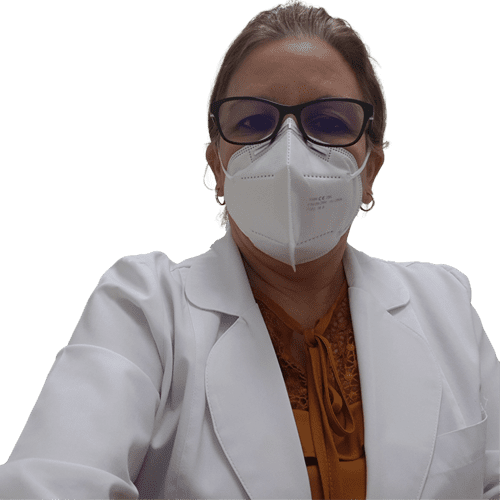
Dr. Magalis Perez Almaguer
Consultant Dermatologist