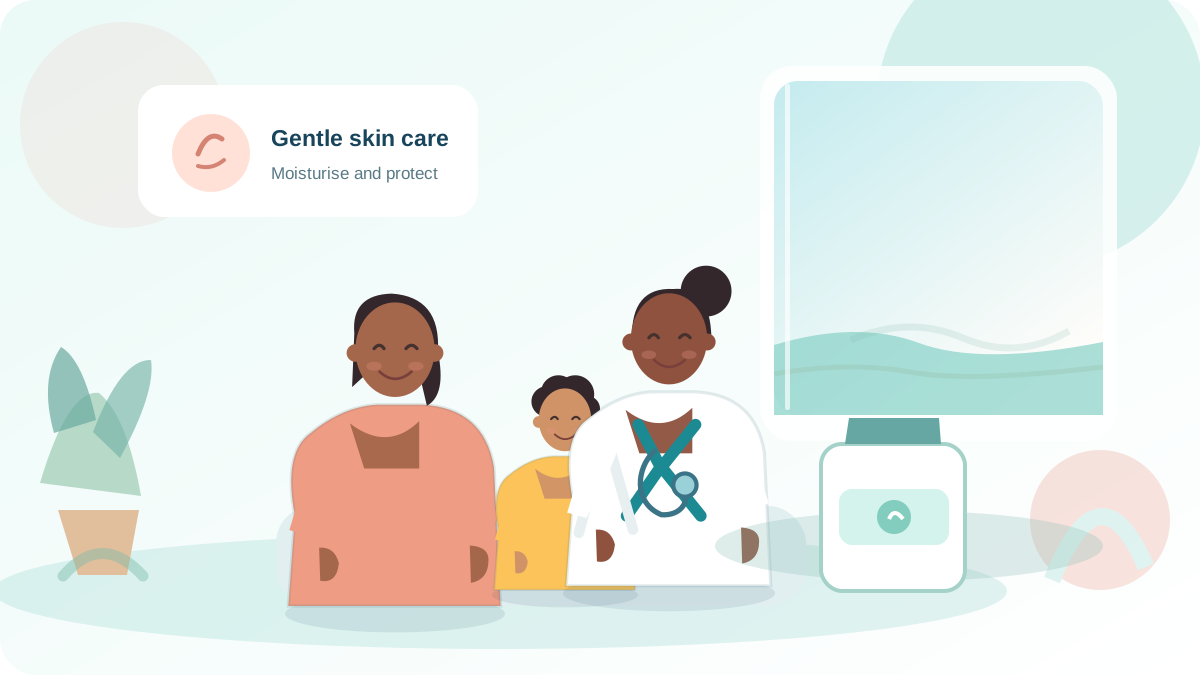
Key things to know
- Eczema commonly causes dry, itchy, inflamed skin and can look different on different skin tones.
- Consistent fragrance-free moisturising is a cornerstone of daily skin care.
- Painful, hot, blistering or rapidly worsening skin needs prompt clinical assessment.
Everyday care, in pictures
Swipe the cards or use the arrows. These are general reminders, not a personalised treatment plan.



What is atopic dermatitis?
Atopic dermatitis is a common form of eczema in which the skin barrier does not work as effectively as it should. Skin becomes vulnerable to dryness and irritation, often causing an itch–scratch cycle. It is not contagious, and the degree of itching can disrupt sleep and family life.
Eczema does not always appear bright red. On brown or dark skin, affected areas may look darker, lighter, purple-grey, thickened or rough. Children may be affected on different parts of the body at different ages. Other conditions can resemble eczema, so a clinician may need to confirm the diagnosis.
What can make eczema flare in Guyana?
Heat, sweat and frequent washing can aggravate symptoms for some people; so can fragrances, harsh detergents, rough fabrics and some skin-care products. Triggers differ from person to person, and not everyone has a clearly identifiable trigger.
A practical approach is to record what happens before flares, including new products, activities and weather conditions. Avoid declaring a particular food to be the cause solely because eczema is present. Food-elimination diets, especially in children, should be discussed with a qualified clinician when allergy is genuinely suspected.
Daily care that supports the skin barrier
Use a gentle fragrance-free cleanser when needed and avoid vigorous scrubbing. Short baths or showers with lukewarm—not very hot—water are usually better tolerated. Gently pat the skin dry and apply a rich fragrance-free moisturiser while it is still slightly damp.
Moisturiser often needs to be reapplied during the day, especially after washing. Choose soft breathable fabrics; loose cotton clothing is often comfortable. Wash clothes with a fragrance-free detergent, and try to avoid skin-care products that sting or irritate.
When do people need eczema treatment?
Moisturising alone may not control active inflammation. A doctor may recommend prescription anti-inflammatory creams or other treatments based on age, body site, severity and medical history. Steroid creams, when prescribed, should be used as instructed rather than avoided entirely or applied indefinitely without review.
For eczema that keeps returning, affects large areas, interferes with sleep or responds poorly to treatment, a dermatologist can reassess the diagnosis, identify complicating factors and discuss additional therapies. Children may also benefit from assessment by a pediatrician, especially where sleep, growth or infection is a concern.
What to prepare for a consultation
Make a note of when the rash started, where it appears, whether anyone else in the family has eczema, and which creams or medicines have been tried. Photographs of flares may help when the skin looks better on the appointment day.
Bring a list of all products applied to the skin, including steroid creams, cosmetics and home remedies. Ask about a realistic treatment plan for both active flares and everyday prevention, how long treatment should continue, and which symptoms mean it is time to return.
Common questions
Is eczema contagious?
No. Atopic dermatitis itself does not spread from person to person, although broken skin can sometimes become infected.
Does eczema mean my child must avoid dairy or eggs?
Not automatically. Most people with eczema do not need broad food restrictions. If a specific allergy is suspected, speak with the child's clinician before eliminating important foods.
Can hot weather make itching worse?
Heat and sweating can contribute to flares for some people, but triggers vary. A gentle skin-care routine and avoiding known irritants are more useful than assuming heat is the only cause.
Medical and public-health references
This guide is informed by published guidance. References are linked to their original publishers.
- American Academy of Dermatology — Atopic dermatitis skin care
- American Academy of Dermatology — Atopic dermatitis treatment
- NHS — Atopic eczema
Prepared by the Akryn Health Editorial Team from established external sources. No Akryn specialist has been named as a clinical reviewer for this guide. Independent clinical sign-off is pending. This is general educational information, not a personal diagnosis or treatment plan.
Find the right professional for your concern
When you need non-emergency care, compare the published profiles, clinic locations and consultation options of Akryn Health specialists. There is no charge to browse profiles.
Explore specialists in Guyana
These specialists have currently published profiles in the relevant specialties. Their inclusion does not replace an individual assessment or imply endorsement of a specific treatment.
Dr. Alitia Aguila
Pediatrician
Dr. Celia Salas Izquierdo
Pediatrician
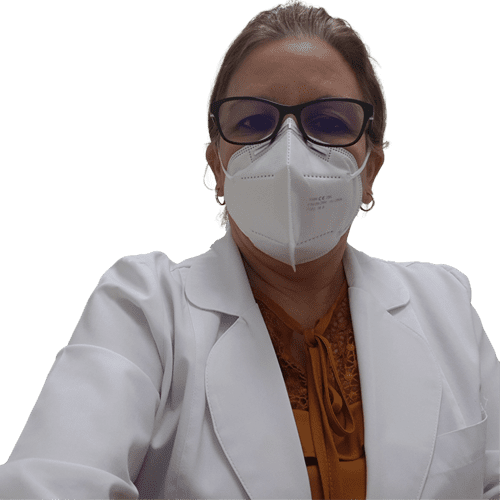
Dr. Magalis Perez Almaguer
Consultant Dermatologist